
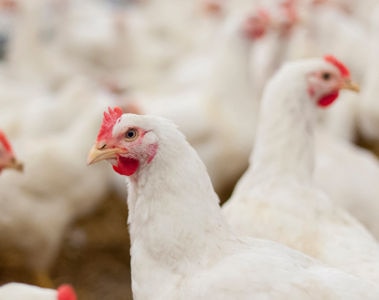
Probiotics: Yes, birds benefit from them too

Are all probiotics the same? What are the differences between lactic acid based and bacillus-based probiotics? Hear answers to these questions and more in the latest WATT Poultry Chat. Dr. Chasity Pender, Sr. Technical Manager with dsm-firmenich, discusses diversity of microbes that are used for probiotics, different types of probiotics, and the lifecycle difference between lactic acid based probiotics and bacillus-based probiotics. 

Published on

26 January 2026

Tags

  • Poultry

Related Articles

  • Necrotic Enteritis: A Billion Dollar Problem in Poultry

    Necrotic Enteritis: A Billion Dollar Problem in Poultry

    17 Nov 2025

    Necrotic enteritis is one of the most common, and most financially devastating diseases affecting the global poultry industry. Impacting approximately 40% of commercial broiler flocks worldwide, this intestinal disease can cause mortality rates up to 50% during clinical outbreaks. It is estimated to cost the broiler industry between US$5 to 6 billion annually. Necrotic enteritis primarily affects broiler chickens aged 2 to 5 weeks raised on litter, as well as turkeys between 7 to 12 weeks old. While most noted in broilers, layers and turkeys are also susceptible. The disease typically persists for 5 to 10 days within affected flocks, leading to mortality rates ranging from 2% to 50%.
  •  Optimizing Strategies to Manage Coccidiosis in Poultry: Why and How Your Control Program Needs to Adapt

    Optimizing Strategies to Manage Coccidiosis in Poultry: Why and How Your Control Program Needs to Adapt

    20 Nov 2023

    The estimated cost of coccidiosis globally is between USD 9.2 and 15.6 billion, or approximately USD 0.2 per chicken (Blake et al., 2020). This estimate is derived not only from the cost of prophylactics and therapeutics, but also the associated performance and mortality loss. Additional losses due to secondary challenges associated with coccidiosis may also increase the overall economic impact. Many protozoa plague the livestock industry but, in poultry, there are seven Eimeria species of the protozoal parasite coccidia that infect different regions in the intestinal tract (Shirley et al., 1986). Regardless of the site of infection, Eimeria have a complex life cycle that includes stages within the bird and environment. Depending on the Eimeria species, site of infection and life cycle stage, certain prevention strategies may be more effective than others (Chapman and Rathinam, 2022).

  • Necrotic Enteritis in Cage Free Layers: What are our options?

    Necrotic Enteritis in Cage Free Layers: What are our options?

    19 Dec 2022

    Necrotic enteritis is the 3rd leading bacterial induced food-borne disease in the United States today. Stemming from Clostridium perfringens, predisposing factors such as environment, diet, and gut stasis can exacerbate the severity of the disease within the bird. Historically, we’ve seen most necrotic enteritis cases in the broiler industry, however with the rise of cage-free layer operations, a slight uptick in disease challenge has been reported. Reducing the growth of Clostridium perfringens is a critical factor when mitigating the disease. In the absence of antibiotics, there are several management and nutritional strategies that can be implemented to help mitigate the effects of necrotic enteritis.