Performance support from feed additives
Feed additives have become part of many coccidiosis management strategies because of their compatibility with programs like "no antibiotics ever" and their complementary modes of action alongside rotation and shuttle programs.
Eimeria infection damages the intestinal epithelium, impairing nutrient absorption and compromising barrier function. The resulting intestinal damage creates favorable conditions for the proliferation of opportunistic bacteria, particularly Clostridium perfringens, increasing the risk of necrotic enteritis. As a result, nutritional strategies that help preserve intestinal integrity and support gut resilience during periods of coccidial challenge have become an increasingly important complement to established coccidiosis control programs. Among these, phytogenic feed additives have attracted growing interest.
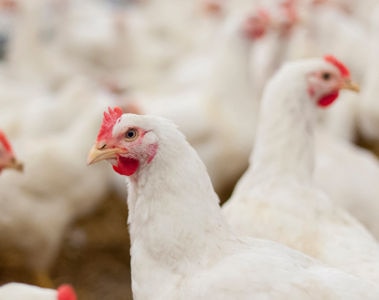
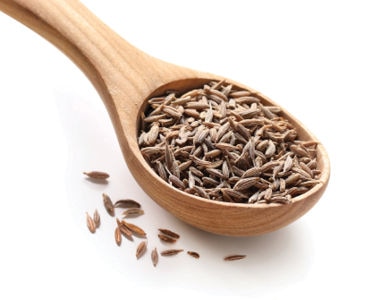
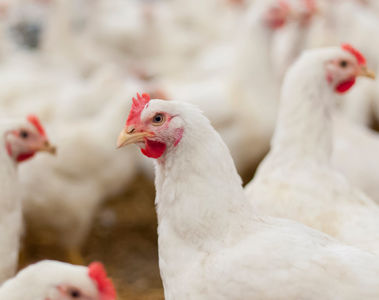
Recent North American research has provided new evidence supporting phytogenic feed additives as part of integrated coccidiosis programs. In two broiler challenge trials, a plant-based feed additive containing oregano, citrus oil, and Yucca schidigera extract supported growth performance, feed efficiency, and intestinal health under disease challenge conditions.
In the first trial, birds received nicarbazin during the starter phase followed by either narasin or the phytogenic feed additive during the grower and finisher phases. The phytogenic program delivered growth performance comparable to the conventional nicarbazin-narasin shuttle program while also reducing oocyst shedding and necrotic enteritis lesion severity (Curry et al., 2026).
The second trial evaluated the phytogenic feed additive as an alternative to a vaccination-based program. While vaccination remains an important tool for establishing immunity, vaccinated birds experienced temporary reductions in feed efficiency and increased intestinal lesion scores under the study conditions. Birds receiving the phytogenic feed additive achieved better growth performance through 35 and 42 days while maintaining lower necrotic enteritis lesion severity, demonstrating its value as a nutritional strategy to support performance during periods of intestinal challenge (Curry et al., 2026).
These findings reinforce the role of phytogenic feed additives as a practical tool in integrated coccidiosis management programs. Rather than replacing established control measures, they can complement shuttle, rotation, or vaccination strategies by helping to maintain gut health and productive performance under disease-challenge conditions.
Conclusion
The effective management of coccidiosis in poultry is paramount to ensuring the health and productivity of flocks. By implementing a comprehensive strategy that includes good husbandry practices, regular monitoring, and the judicious use of shuttle programs, poultry producers can significantly reduce the incidence and impact of this disease.
Additionally, ongoing research and advancements in alternative control methods, such as phytogenic feed additives, continue to expand the available toolbox for coccidiosis management. Recent North American studies demonstrate that phytogenic blends containing oregano, citrus oil, and Yucca schidigera can support growth performance, feed efficiency, and intestinal health under coccidial and necrotic enteritis challenge conditions, while complementing existing shuttle, rotation, and vaccination programs.
Ultimately, a multifaceted approach that combines traditional and innovative strategies will be key to sustainably managing coccidiosis while supporting poultry health and production performance.
We offer a comprehensive portfolio of solutions and services that can help you optimize rotation, shuttle, or bio-shuttle programs. With the support of a broader portfolio, we offer coverage for the predisposing factors associated with coccidiosis and clostridial enteritis.
References
Curry, S., Lumpkins, B., Tacconi, A., Teichmann, K., & Murugesan, R. (2026). A novel phytogenic feed additive can support coccidiosis management programs in broilers – data from two studies. Journal of Applied Poultry Research, 35, 100728.