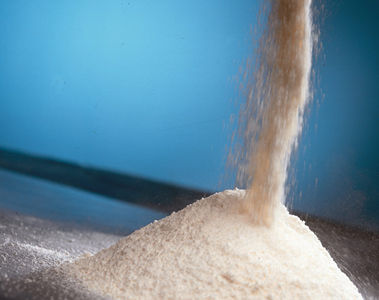
With summer right around the corner most people enjoy a day of fun in the sun, however, vitamins do not. In animal feed production vitamins play a crucial role in the metabolism of proteins, carbohydrates and fats, and without them optimal animal growth is compromised. While vitamin premixes are typically stable under proper storing conditions, heat and humidity are the primary environmental threats to vitamin stability, silently degrading their potency and reducing flowability. Therefore, understanding the most significant factors that affect vitamin stability in summer is essential to all using vitamin premixes.
Typically, vitamins and prolonged exposure to heat and humidity do not mix, however, there are certain vitamins that are at a higher risk for degradation than others. In general, vitamin K3, vitamin A, pyridoxine, vitamin B12, and folic acid are the most sensitive to poor storage conditions. Exposure to heat and humidity (moisture) can increase the degradation rate of vitamins by providing more energy in the form of oxygen or moisture for oxidation reactions to occur. Oxidation reactions in vitamins are similar to rusting seen in metal when it is left out in the rain and heat. Like metal, vitamins exposed to heat and humidity undergo chemical reactions which alter their structure, which in turn impairs its functional uses.
Along with increasing oxidation, heat and humidity can alter the physical characteristics of premixes. Maintaining optimal flowability and handling properties of premixes is essential for efficient animal feed manufacturing. However certain vitamins such as niacinamide and choline are hygroscopic in nature, allowing more water to bind in premixes which causes particles to clump together. When significant clumping or caking occurs premixes will have reduced flowability and handling which can impair the production of, and homogeneous micronutrient distribution in animal feed.
What steps can be taken to ensure premixes maintain their flowability and stability? One important factor to consider with vitamins being used in hot and humid conditions is product form. The dsm-firmenich beadlet vitamin products are manufactured to specifically protect the most sensitive vitamins to provide consumers with optimal shelf life. These beadlets contain antioxidants in their formulation and a protective coating of gelatin proteins. Alternatively, the dsm-firmenich spray-dried vitamin product forms are manufactured as fine granular products with high stability, flowability, low dustiness, and low caking characteristics.
Our formulation experts are knowledgeable in the ingredient inclusion limitations and reactive ingredient combinations that may change the physical characteristics of premixes during the summer season. By closely monitoring our formulation constraints during the formulation process, dsm-firmenich provides customers with premixes that can maintain good handling characteristics and stability even during the heat of summer. Finally, it is important to store vitamins away from direct contact with light as this can exacerbate the oxidation processes, if possible storing vitamins in temperature-controlled areas can help ensure vitamins flowability and stability is not altered by environmental conditions. Overall, incorporating the right product forms, following formulation constraints, and storing vitamins away from direct sunlight can help protect the physical characteristics and stability of your vitamin premix.
For more information on available premixes or product related questions please contact a dsm-firmenich representative. For questions about your current formulations and to assess their quality please contact your assigned Nutritional Services Specialist.