Understanding Deviations
A deviation occurs whenever a process, specification, procedure, or expected outcome differs from established requirements. Deviations may be identified through routine activities such as batch record reviews, process monitoring, preventive maintenance, analytical testing, and operator observations. In a feed premix manufacturing environment, deviations can range from minor procedural inconsistencies to events that require a more detailed investigation. Importantly, these systems are designed to identify deviations early, allowing issues to be investigated and resolved before product release, minimizing customer risk and helping ensure product quality.
When properly managed, deviations become valuable sources of information. They help identify weaknesses in systems, uncover emerging risks, and highlight opportunities for continuous improvement. The goal is not simply to document what happened, but to understand why it happened and prevent recurrence.
A Cross-Functional Approach to Quality
At dsm-firmenich, quality is built into every stage of the manufacturing process. When a deviation is identified, trained quality personnel assess its potential impact on product quality, safety, regulatory compliance, and customer requirements. Immediate actions are taken when necessary to contain the issue. Affected materials and products are placed on hold as needed until the investigation is completed and a disposition decision is made, ensuring only products that meet all quality requirements are released to customers.
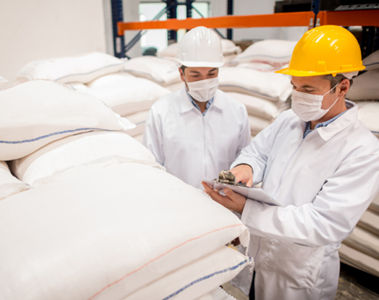
While the Quality team facilitates investigations, Operations team members play a critical role by providing firsthand knowledge of processes and helping identify practical, sustainable solutions. This collaborative approach ensures investigations are thorough, accurate, and focused on long-term improvement.
Investigating Beyond the Symptoms
Effective deviation management requires understanding the root cause, not just correcting the immediate issue. At dsm-firmenich premix facilities, Quality and Operations work together to evaluate factors such as equipment performance, process controls, environmental conditions, training, supplier materials, and human interactions.
By identifying the true root cause, corrective and preventive actions can be targeted to prevent recurrence, reduce future risk, and strengthen overall process performance.
Corrective and Preventive Actions Drive Improvement
A deviation investigation does not end with root cause identification. Corrective and preventive actions (CAPAs) are developed to address the issue and reduce future risk.
Operations personnel are actively involved in creating practical solutions that can be effectively implemented within daily operations. Actions may include procedure updates, enhanced training, equipment improvements, additional process controls, or workflow modifications. All actions are tracked and evaluated to ensure their success.
Deviation trends are also reviewed to identify recurring issues, evaluate process performance, and prioritize improvement opportunities.
Building a Strong Quality Culture
Strong deviation management depends on a culture where employees feel empowered to identify concerns and contribute to solutions.
At dsm-firmenich, quality is everyone's responsibility. Through participation in investigations, corrective action development, and regular Gemba walks, employees help identify improvement opportunities and share valuable operational insights. These activities foster ownership, accountability, and engagement while reinforcing continuous improvement throughout the facility.
By combining cross-functional collaboration with proactive process observation, we strengthen our quality culture and improve our ability to prevent future issues.
What This Means for Customers
Customers depend on consistent, safe, and reliable premix products to support animal health, performance, and operational success. A robust deviation management system provides confidence that quality events are identified, thoroughly investigated, and resolved using a risk-based approach and a commitment to continuous improvement.
When deviations occur, the lessons learned become opportunities to strengthen systems, improve controls, and enhance future performance. The collaborative efforts of Quality and Operations ensure that solutions are both effective and sustainable, reducing risk and improving process reliability.
The result is a manufacturing process that becomes more resilient over time, continuously improves through operational learnings, and remains focused on meeting evolving customer expectations.
Continuous Improvement Through Every Quality Event
Quality excellence is not achieved by avoiding challenges; it is achieved by learning from them. Across dsm-firmenich premix facilities, deviation management is an integral part of our commitment to producing high-quality feed premixes that our customers can trust.
By engaging both Quality and Operations teams in the investigation process, developing meaningful corrective actions, and fostering a culture where every employee contributes to continuous improvement, we transform deviations into opportunities for growth. Each quality event provides valuable insight that helps strengthen our operations, enhance consistency, and reinforce our commitment to delivering quality, safety, and reliability in every product we manufacture.