The Beef Podcast: Dr. Kendall Samuelson - High-risk receiving calf health and nutrition

Dr. Kendall Samuelson, associate professor at West Texas A&M University, discusses health and nutrition for high-risk receiving calves. She explains how transportation, weaning, commingling, and other stressors affect nutrient requirements, feed intake, and immune function. She also covers receiving diet priorities and nutritional strategies that support recovery, respiratory health, and long-term performance.

Meet the guest:

Dr. Kendall Samuelson is an Associate Professor of Animal Science at West Texas A&M University. Her research connects beef cattle nutrition, health, and management to improve the productivity and sustainability of feedlot systems. She studies nutritional strategies for disease resilience, feed efficiency, gastrointestinal health, liver abscesses, receiving cattle, and precision management, while translating research into practical recommendations for producers.

What you’ll learn:

  • (00:00) Highlight
  • (01:04) Introduction
  • (03:15) High-risk cattle stressors
  • (08:34) Receiving diets
  • (15:26) Nutritional priorities
  • (21:28) Improving cattle intake
  • (29:04) Research opportunities
  • (30:17) Final questions
×

Trouble viewing this video? Watch it now on YouTube.

Published on

8 October 2026

Tags

  • Podcast
  • Ruminants
  • Vitamins
  • Beef

Related Articles

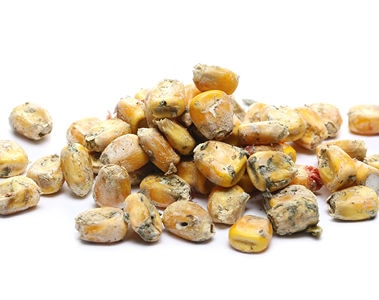
  • Moldy Beans, Maize White Spot, and Pasture Mealybugs, Oh My!

    Moldy Beans, Maize White Spot, and Pasture Mealybugs, Oh My!

    09 Nov 2026

    It seems as though within the recent past that each year has seen a “new” pathogen or pest making its first appearance or spreading to a new region in crops within North America. Unfortunately, this year is no different. There are various rumblings in the field of new or growing disease and pest pressures across multiple regions. This article will provide a high-level overview of some of the concerns that are being discussed in 2026 crops and the potential implications that they may have on the occurrence of mycotoxins. In terms of mycotoxins being tied to these primary issues, there are many unknowns at this time. This article is an attempt to bring awareness to several crop challenges that are being reported in the field and as such, many articles will be referenced to provide additional outlets for more in-depth education and awareness on these topics.
  • Sustainability and Welfare Opportunities Across the Barnyard

    Sustainability and Welfare Opportunities Across the Barnyard

    03 Nov 2026

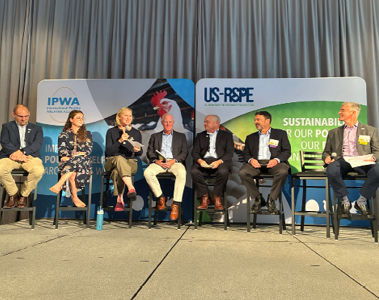
    At September’s Poultry Sustainability & Welfare Summit, David Dayhoff, dsm-firmenich Animal Nutrition & Health’s North America Director of Sustainability and Precision Services, moderated a panel discussion about cross-protein collaboration when it comes to sustainability & welfare. Sometimes when all the different agriculture groups collaborate, they are collectively called “The Barnyard.” This event was a great opportunity to bring together representatives from across animal agriculture. Panelists and the audience explored potential for The Barnyard to collaborate in multiple ways, including opportunities around feed, efficiency and measurement & reporting.

  • Mycotoxin Outlook for 2026 Harvest – Part 2

    Mycotoxin Outlook for 2026 Harvest – Part 2

    19 Oct 2026

    The September edition of The Digest set the foundation for this article by outlining the various mycotoxigenic molds and the factors that drive mycotoxin production. At the time of writing, a limited number of 2026 corn grain samples were screened as part of our PROcheck mycotoxin analytical service. The author anticipates that we’ll have more results in time for the November issue of The Digest and be able to compare actual contamination data vs. this month’s predictions. Read the full article to learn what mycotoxins we expect in 2026 corn!