DHAgold™
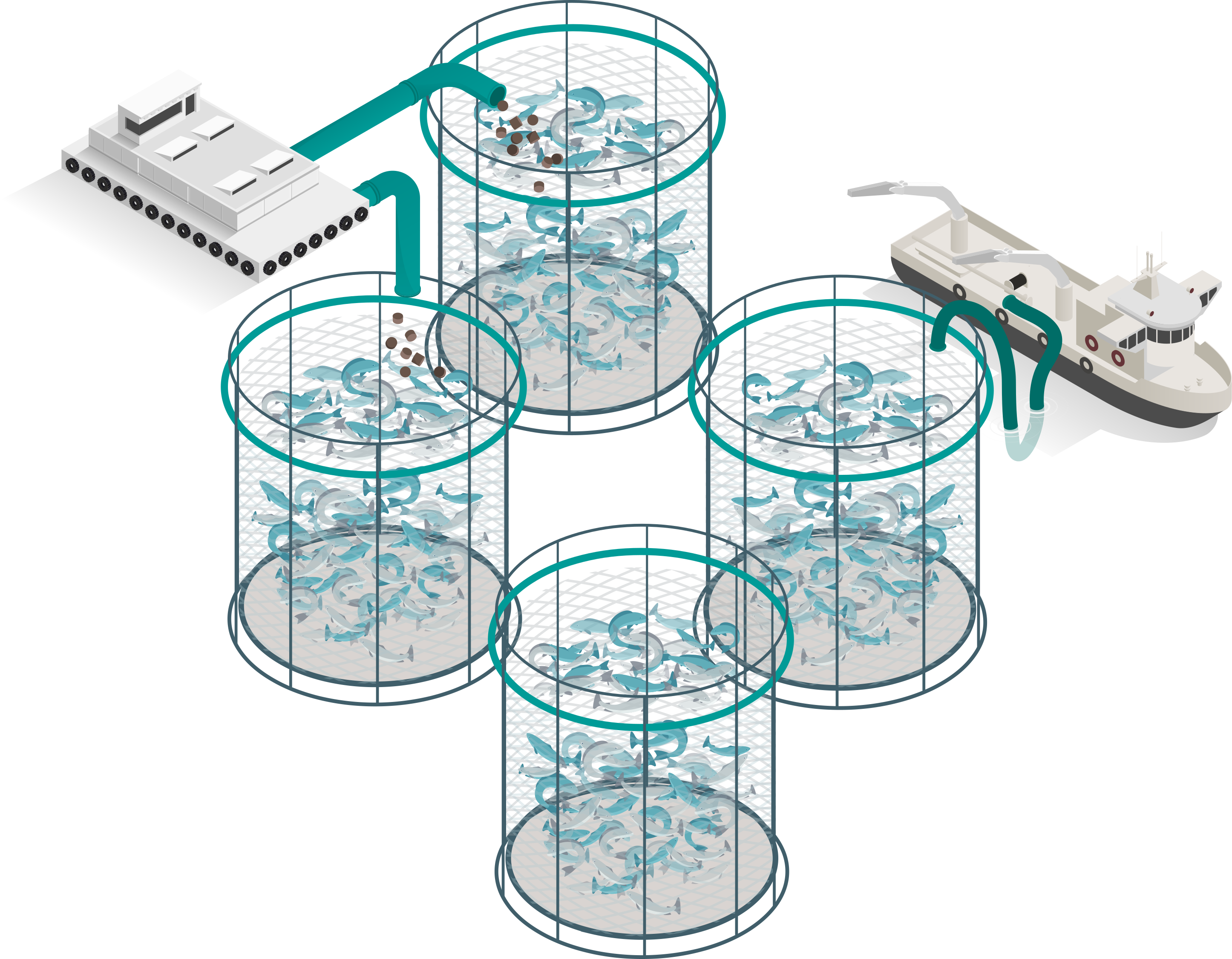
With DHAgold™ we bring you a sustainable source of DHA to enrich animals.
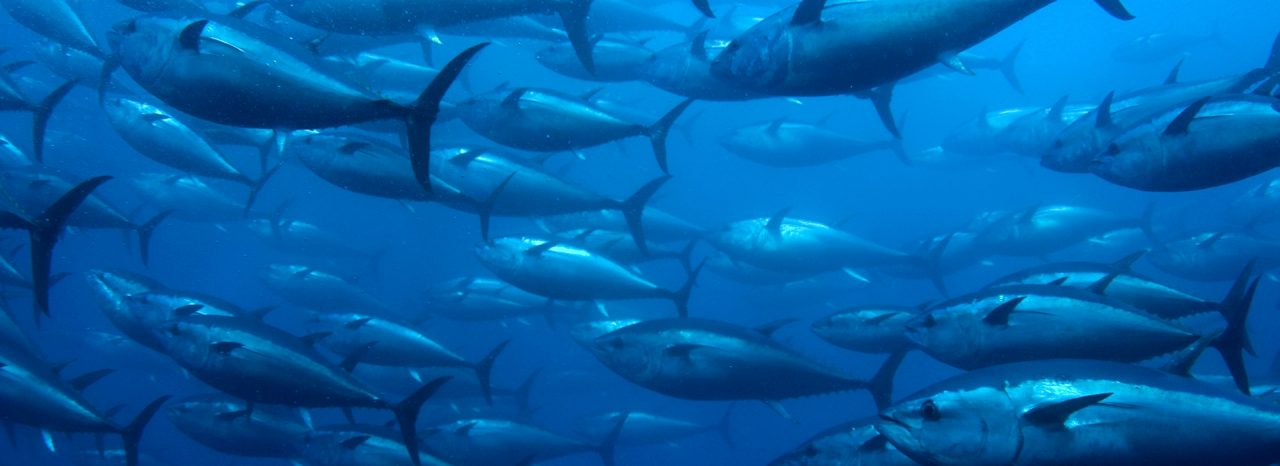
In recent years, attention has been focused on addressing the global challenges of hunger, malnutrition and impaired health in our population. Since 2014, aquaculture has provided more fish for human consumption than capture fisheries, and by 2030 it is expected to contribute 60% of the total fish and shrimp available for human consumption. Expanding the role of aquaculture towards ending hunger and all forms of malnutrition is as important as the focus on increasing production. Aquaculture is uniquely positioned to be one of the driving forces needed to address the nutrition challenges that we face in the world today.
The need to provide enough animal protein for a growing population, while reducing the environmental costs of farming will require smart science and innovative solutions. This will make it possible to grow aquaculture in a sustainable way. dsm-firmenich cares about making this aquaculture growth sustainable and is addressing this challenge with its strategic initiative: We Make It Possible.



 Click here
 Click here
 Click here
 Click here
 Click here
 Click here
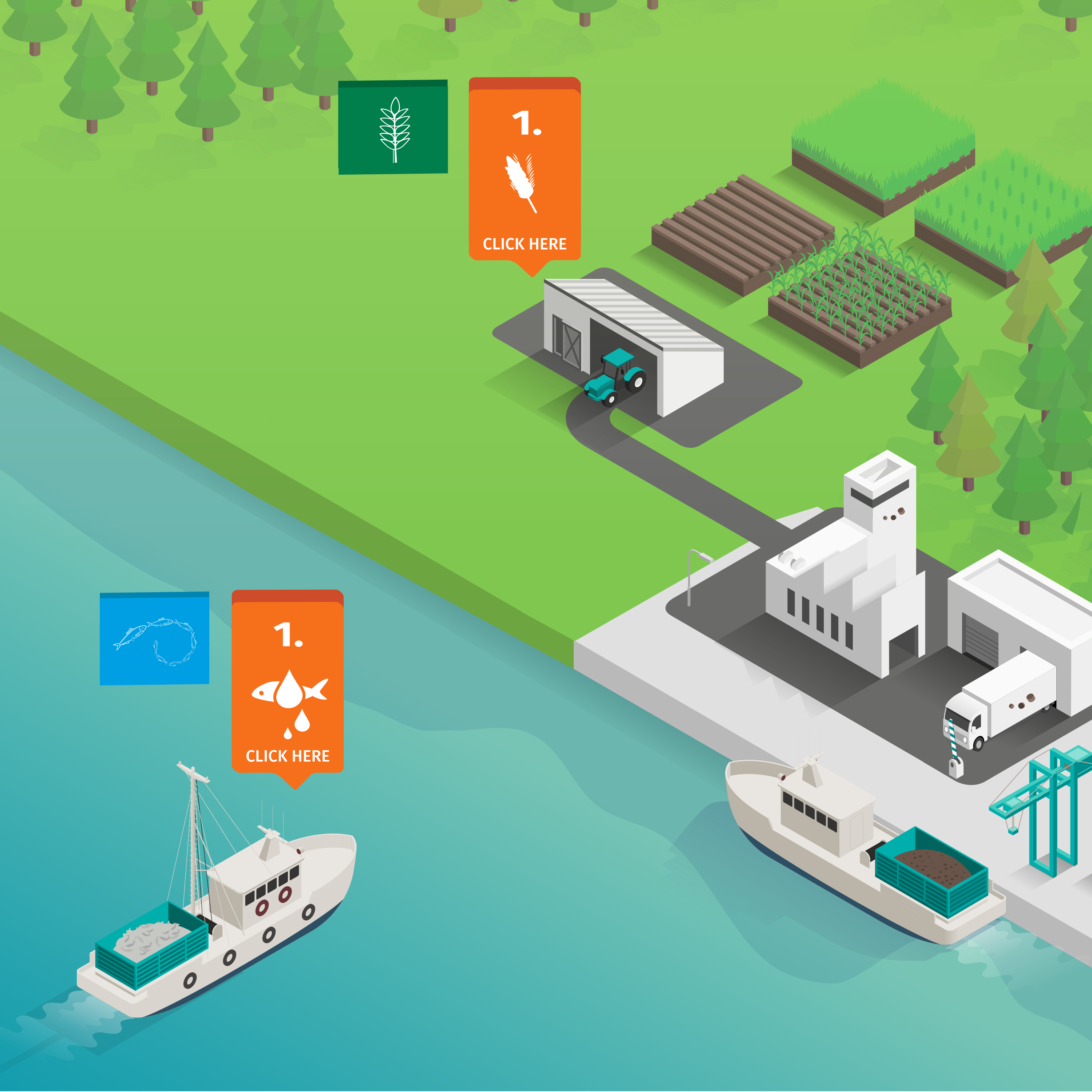

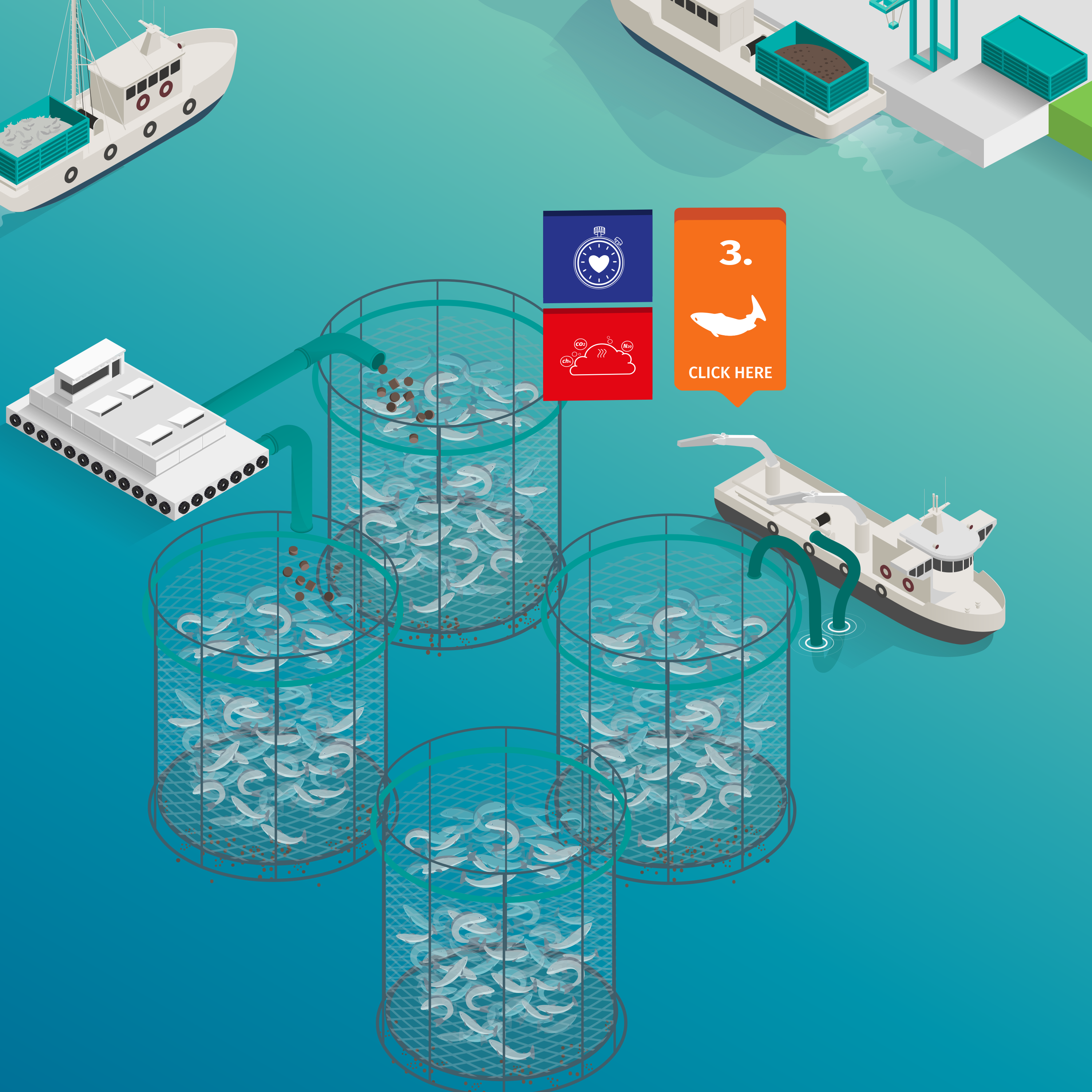


With the need for an expanding raw material basket in aquaculture, and the increased use of plant raw materials, feed enzymes are a key technology that enable higher efficiency of use. By complementing the animals' own digestive enzymes, feed enzymes, ensure more of the diet is digested, and their use delivers greater flexibility in feed formulation. Follow this link to see how DSM enzymes can solve this challenge.
Over 50% of fish and shrimp for human consumption comes from aquaculture and consumer demand for sustainable seafood has grown rapidly in the last years. One of the challenges facing the industry is reducing our reliance on marine derived EPA & DHA omega 3 fatty acids. Veramaris® is the first ASC-MSC certified natural marine algae oil with the highest levels of EPA & DHA omega 3- fatty acids. This breakthrough innovation can help the industry grow within planetary boundaries. Learn how Veramaris® and its breakthrough innovation can solve this challenge.
It is well documented that compound feed, used in about 70% of global aquaculture, is the largest contributor to the environmental footprint. When assessing how animal production can sustainably meet future protein demand, a full life cycle assesment that covers all 19 environmental metrics should be conducted for different aquaculture production systems. Read here how DSM innovative solutions can enable the profitable growth of aquaculture within planetary boundaries.
Vitamins and omega-3 are essential for the life, health and well-being of animals. Our Optimal Vitamin NutritionTM Platform (OVNTM) and Veramaris® Optimum Omega Nutrition Platform provide high quality vitamins and essential fatty acids omega-3 for the life stage and growing conditions of aquaculture species. Read here how DSM innovative solutions can improve lifetime performance. By 2025, The World Health Organization (WHO) expects that half of the world’s population will be living in water-stressed areas and current aquaculture inland production represents more than 50% of world total production. Read here how DSM innovative solutions in feed enzyme technology can reduce phosphorus and nitrogen emissions.
More than 1 billion tons of food is lost and wasted each year. Several essential vitamins and minerals, such as vitamin C and E, and omega-3 are key micro-nutrients which can significantly extend the shelf life, quality and improve nutritional value of fish and shrimp products. Color is also a key attribute for the final product and important to consumers. Achieving the correct pigmentation in salmonids, shrimp and other marine species contributes in minimizing downgrades along the value chain and meeting customer demands. Read here how DSM innovative solutions can reduce food loss and waste and improve product quality.
The risk of Antimicrobial Resistance (AMR) to human and environmental health puts increasing pressure on animal protein industries to reduce antibiotic use. If no action is taken, by 2050 AMR could cause 10 million deaths each year. Farm management, biosecurity, genetics, vaccines, new technologies, functional feeds have all been pivotal in achieving aquaculture growth the last years. DSM innovative solutions support optimum nutrition, improve gut health and enhance immunity, enabling the aquaculture industry to significantly reduce the use of antibiotics across species and geographies. Read here how DSM innovative solutions can tackle AMR.
In dsm-firmenich we want to play a key role in driving the sustainable growth of aquaculture and work across the industry (different species and countries) with our partners to provide tangible solutions to make this happen.
The amount of fresh water on earth is limited, and its quality is under constant pressure. Current aquaculture inland production represents more than 50% of world total production dominated by carp, tilapia, catfish and shrimp. We provide innovative solutions for optimum water quality, to reduce phosphorus and nitrogen environmental footprint, improve water quality for enabling sustainable animal production.
Supporting:
Expanding the role of aquaculture towards ending hunger and all forms of malnutrition is as important as the focus on increasing production. We provide innovative solutions to deliver fish and shrimp with superior product quality, extended shelf life, consistent colour and optimal nutritional values to the consumer.
Supporting:
Health of farmed fish and shrimp is essential to guarantee sustainable and profitable growth of the aquaculture industry and safeguard final consumers. By ensuring optimum nutrition and optimal gut health, we can improve lifetime performances and reduce antimicrobial use.
Supporting:
With DHAgold™ we bring you a sustainable source of DHA to enrich animals.
Farmed fish need good-quality vitamin C in their diet: they need ROVIMIX® STAY-C®35.

At dsm-firmenich, deviations are viewed as opportunities to improve processes, strengthen controls, and enhance product consistency. Through routine quality oversight activities, potential issues are identified early and addressed before product release, minimizing risk to customers. By combining the expertise of Quality and Operations teams, root causes are identified, effective corrective actions are implemented, and continuous improvement is strengthened through activities such as Gemba walks. Discover how turning quality events into learning opportunities helps us deliver the safe, reliable, high-quality premixes our customers depend on.

The global vitamin market enters Q4 2026 at an important inflection point. While demand remained weak throughout the summer and customer destocking continued in many sectors, inventories have generally normalized as we enter the fourth quarter. Several vitamin categories appear to have reached pricing floors after prolonged declines, while supply-side risks are becoming increasingly relevant. Maintenance shutdowns, logistics disruptions, weather-related challenges, and geopolitical uncertainty continue to pose potential risks to availability. Although demand remains the key determinant of market direction, greater volatility and tighter market conditions could emerge later in the year.

Did you know that the carrier often makes up the largest proportion of an animal premix and can have just as much impact on product performance as the active ingredients themselves? The right carrier is essential for ensuring homogeneity, stability, flowability and accurate nutrient delivery. From pH and moisture content to particle size, density and moisture absorption capacity, every characteristic influences how well a premix performs during manufacturing, storage and feed production. In this article, we explore what makes an effective premix carrier, compare common carrier options, and explain why selecting the right carrier is critical for achieving consistent quality and animal performance.
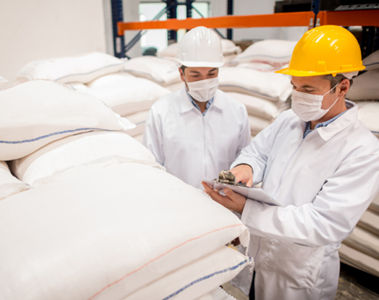
Modern feed industry quality management has shifted from relying solely on finished-product testing to a proactive, risk-based approach focused on prevention. Manufacturers build quality into every stage of production through supplier qualification, ingredient verification, process controls, equipment maintenance, and data-driven monitoring. Industry standards such as FAMI-QS, ISO 9001, FSMA, and Canadian Feeds Regulations support this preventive philosophy. By identifying and addressing potential issues early, companies improve product consistency, regulatory compliance, operational efficiency, and traceability. Ultimately, effective quality systems reduce variability, strengthen customer confidence, and ensure safe, reliable premixes are produced consistently.
Get in touch with a dsm-firmenich ANH specialist or find contacts around the world to suit your needs.
At dsm-firmenich, we love to connect with you.
Follow us on any of the channels below.